
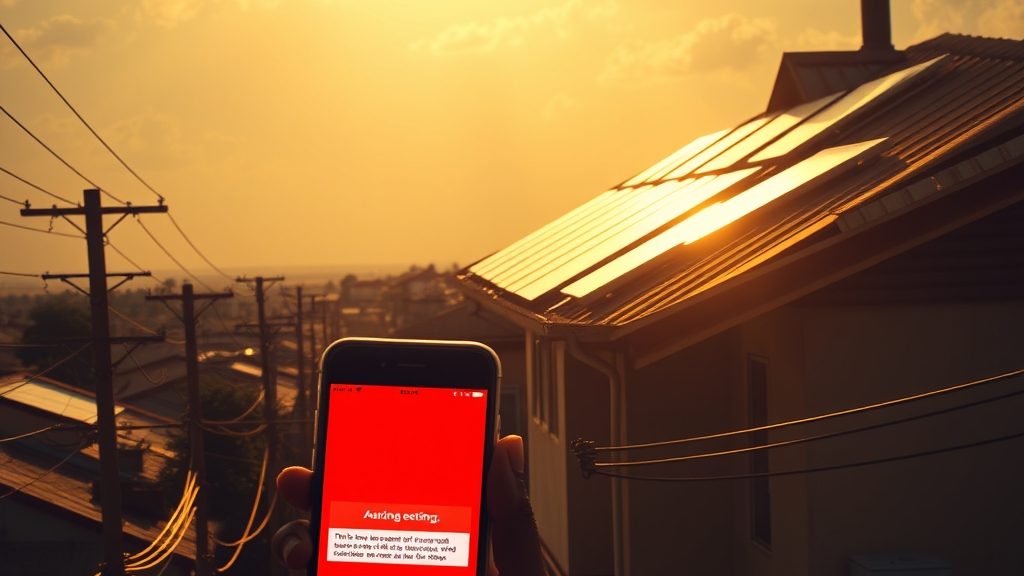
Wind and solar power accounted for 34 per cent of Kenya’s energy mix during daytime peak demand on August 11, 2026. This reliance on renewable sources has driven regulators to impose stricter oversight on how private systems interact with the national electricity network. Homes and businesses that feed excess solar energy into the Kenya Power network without a valid net-metering agreement or prior authorization now face a formal dumping surcharge. Under the updated 2023 tariff schedule, any electricity exported to the grid without approval is treated as dumping and will be billed at the applicable base tariff. Kenya Power stated these measures are necessary to protect its distribution infrastructure, maintain grid stability, and prevent safety hazards for maintenance staff. Fluctuations in renewable energy generation can impact grid frequency and voltage, which forces the utility company to activate other generators to balance the system. The Energy (Net-Metering) Regulations, 2024, provide a formal framework for consumers with systems up to one megawatt to export surplus power, provided they enter into a legal net-metering agreement. The regulator and Kenya Power retain the authority to disconnect any solar system that threatens the safety, reliability, or security of the distribution network. Moving forward, homeowners and business operators must ensure all connections comply with these established technical and regulatory standards to avoid penalties and potential disconnection from the national supply.
🌐 General🌐 Worldwide🔍 5000+ searches
Kenya Power imposes dumping surcharges on unauthorized residential solar energy grid connections
The Energy and Petroleum Regulatory Authority has introduced new fines for homes and businesses feeding excess solar electricity into the grid without approval.
Quick facts
- Regulation
- Energy (Net-Metering) Regulations, 2024
- Reference date
- August 11, 2026
- Renewable energy share
- 34 per cent
- Maximum system capacity
- 1 megawatt
Sources & Coverage
- Business DailyHomes, businesses face fines for illegal solar connections to Kenya PowerEpra has introduced a dumping surcharge in regulations that allow consumers to supply excess electricity from their solar plants to Kenya Power.
- The StandardKenya Power turns the heat on homeowners for rooftop solar installationsKenya Power is pushing for mandatory battery-storage standards and tighter controls on grid-connected rooftop solar, citing risks to infrastructure, grid stability and maintenance workers.
- Kenyans.co.keHomes, Businesses With Solar Panels Face New Fines Under EPRA RulesAccording to Kenya Power, fluctuations in wind and solar generation can affect grid frequency and voltage, forcing it to bring in other generators to maintain stability.